Friday, October 31, 2014

The importance of watering your trees well into fall.


I came across a great article in the Chicago Tribune about the importance of watering and protecting your trees for the dry winter weather. So, here are some steps you can take to ensure your trees make it through the winter. 
  •   Mulch 2-4” of mulch around the base of the tree, but do not pile the mulch up the trunk. The mulch helps regulate soil temperature and retain moisture.
  • Your trees need about 20 gals of water a week. And the treegators are hold that amount and all you need to do is fill and leave it.
  • Lastly, you want to be watering late into the fall, when temperatures are above 40 degrees.
 By taking these steps you are preparing your trees for the rough road ahead. These guidelines go for both evergreen and deciduous trees. 
Cercis canadensis Redbud
 

Wednesday, October 8, 2014

Evergreens drop needles too!

So, as we roll into fall it is expected that deciduous trees leaves change color and drop their leaves. But, when we see an evergreen that's needles are turning yellow and dropping, an alarm goes off and, we think oh no it is dying!

Have no fear this is normal and the difference is that when an evergreen sheds needles from the inside out, you know this is it's natural process. So don't be alarmed enjoy the fall colors.


Pinus strobus, White pine

Monday, September 8, 2014

Treekeepers class

So, I am taking is great course about trees it is a month long course that trains you on tree ID, biology, pruning, planting and mulch. I am so excited to learn more about the proper care and internal workings of these garden structures.
 
Last week we were given this book which helps you ID trees and I highly recommend. It is a step by step guide to helping you ID many trees. It can also fit in your pocket so you can take it on your walks.


Tuesday, September 2, 2014

Plants!!!!

 Plants that have really stolen my heart this summer.
Ball Landscape days in West Chicago, New Petunia Colors!
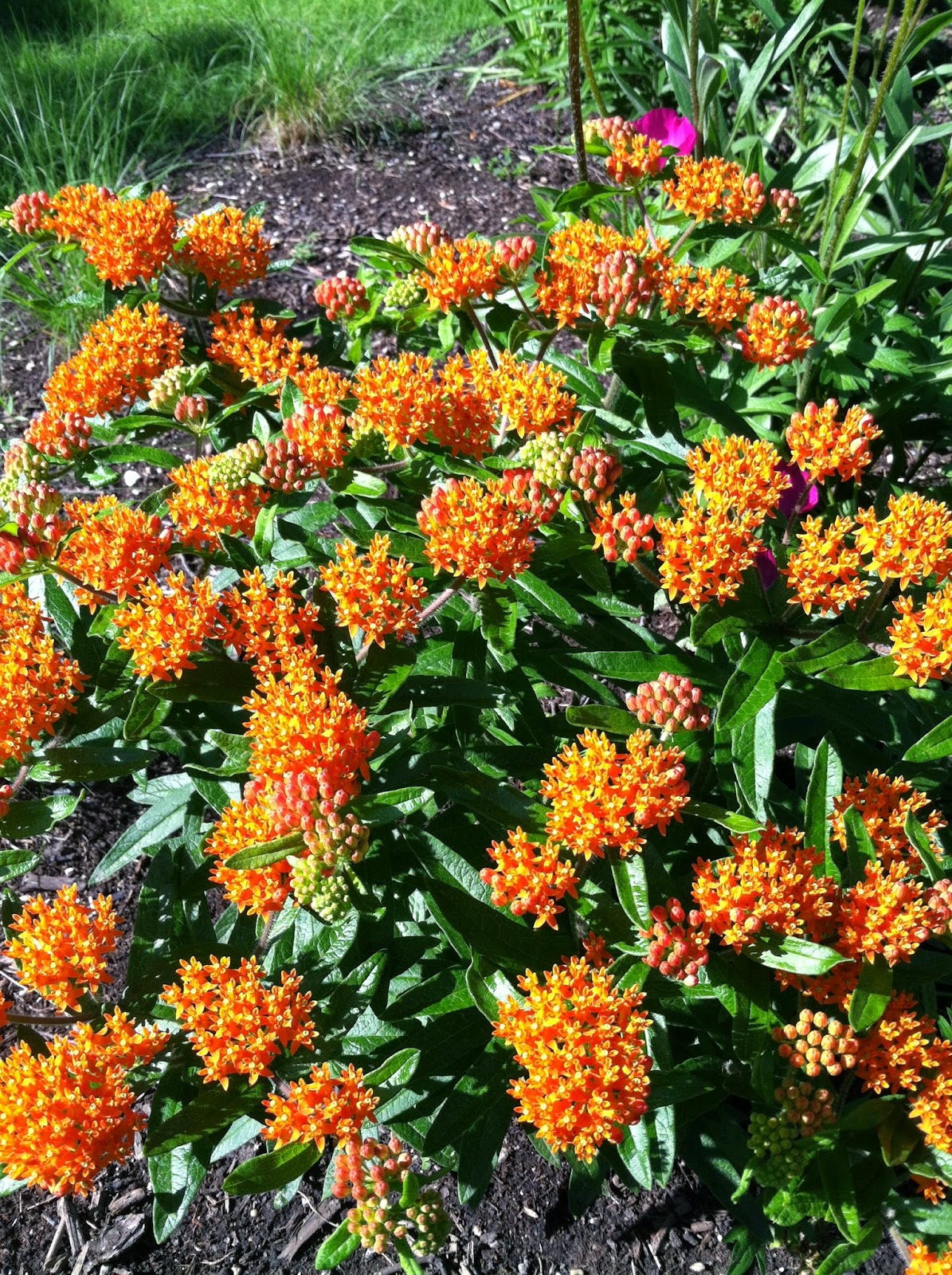
Asclepias incarnata butterfly milkweed, a great plant that helps monarchs in all phases of their life.
Asclepias tuberoas another butterfly favorite that adds a wow factor to the garden
Digitalis foxglove 'foxlight ruby glow'
I would love to hear some of your summer favorites!

Monday, August 25, 2014

Exploring the different kinds of Hydrangeas!


Let’s get exploring 2 of  main types of Hydrangeas used in the landscapes. 

First is….

Hydrangea anomala subsp. Petiolaris climbing hydrangea
This is a great choice for shade areas but beware that once it gets to growing it will attach itself to anything with its rootlike feelers. 

 Also this plant is very self-sufficient once established.
Bloom time is in midsummer, with delicate white flowers and oval shaped leaves. Also grows well in containers just less vigorous.


Hydrangea arborescence ‘Annabelle’
The Annabelle variety is a real show stopper with its green/white blooms which can be the size of a basketball. The leaves are a beautiful dark green with a silver underside and small hairs. 

 
Bloom time is midsummer to late summer. When it rains the flower heads do get pushed down so you may be out in the gardening propping it up, but I think it is well worth it.

Next week we will be discovering 3 more   

Hydrangea quercifolia
Hydrangea paniculata
Hydrangea macrophylla

If you have any questions for me, I would love to hear from you!